
Understanding Hair Fall: Causes and Effects
Hair fall is a multifaceted issue that can affect individuals for various reasons. One of the most significant factors contributing to hair loss is genetics. Individuals with a family history of hair thinning or baldness may be more susceptible to experiencing similar conditions. This genetic predisposition can lead to patterned hair loss, particularly in men and women as they age.
In addition to genetic factors, hormonal changes play a crucial role in hair fall. Fluctuations in hormones, particularly during significant life events such as pregnancy, menopause, or due to certain medical conditions, can impact hair health. Hormones like dihydrotestosterone (DHT) can contribute to thinning hair by shrinking hair follicles over time, leading to diminished hair production.
Nutritional deficiencies are another critical element that can exacerbate hair fall. A lack of essential nutrients, such as vitamins (A, D, E, and B), minerals (iron and zinc), and proteins, can weaken hair strands and hinder their growth. Individuals who follow restrictive diets or have underlying health conditions that affect nutrient absorption may find their hair experiencing accelerated loss.
Environmental influences are also significant contributors to hair health. Pollution, excessive sun exposure, and harsh water quality can damage hair and lead to increased breakage and fall. Moreover, stress—both physical and emotional—can trigger telogen effluvium, a condition where a higher number of hair follicles enter the resting phase, resulting in significant hair shedding.
The psychological impact of hair loss cannot be overlooked. Many individuals experiencing hair fall report feelings of low self-esteem and anxiety, impacting their overall mental well-being. The visual aspect of hair loss often affects social interactions and personal confidence, making it important to address both the physical and emotional aspects associated with this condition.
Key Ingredients to Look For in Anti-Hair Fall Shampoos
When selecting an effective anti-hair fall shampoo, it is essential to consider the key ingredients that contribute to hair health. Ingredients such as biotin, keratin, saw palmetto, and various essential oils are renowned for their beneficial properties in the realm of hair care.
Biotin, also known as vitamin H, plays a pivotal role in the metabolism of fatty acids and helps in maintaining the structural integrity of hair follicles. Its deficiency can lead to hair thinning and fall. Incorporating shampoos enriched with biotin can promote stronger hair strands and enhance hair growth significantly.
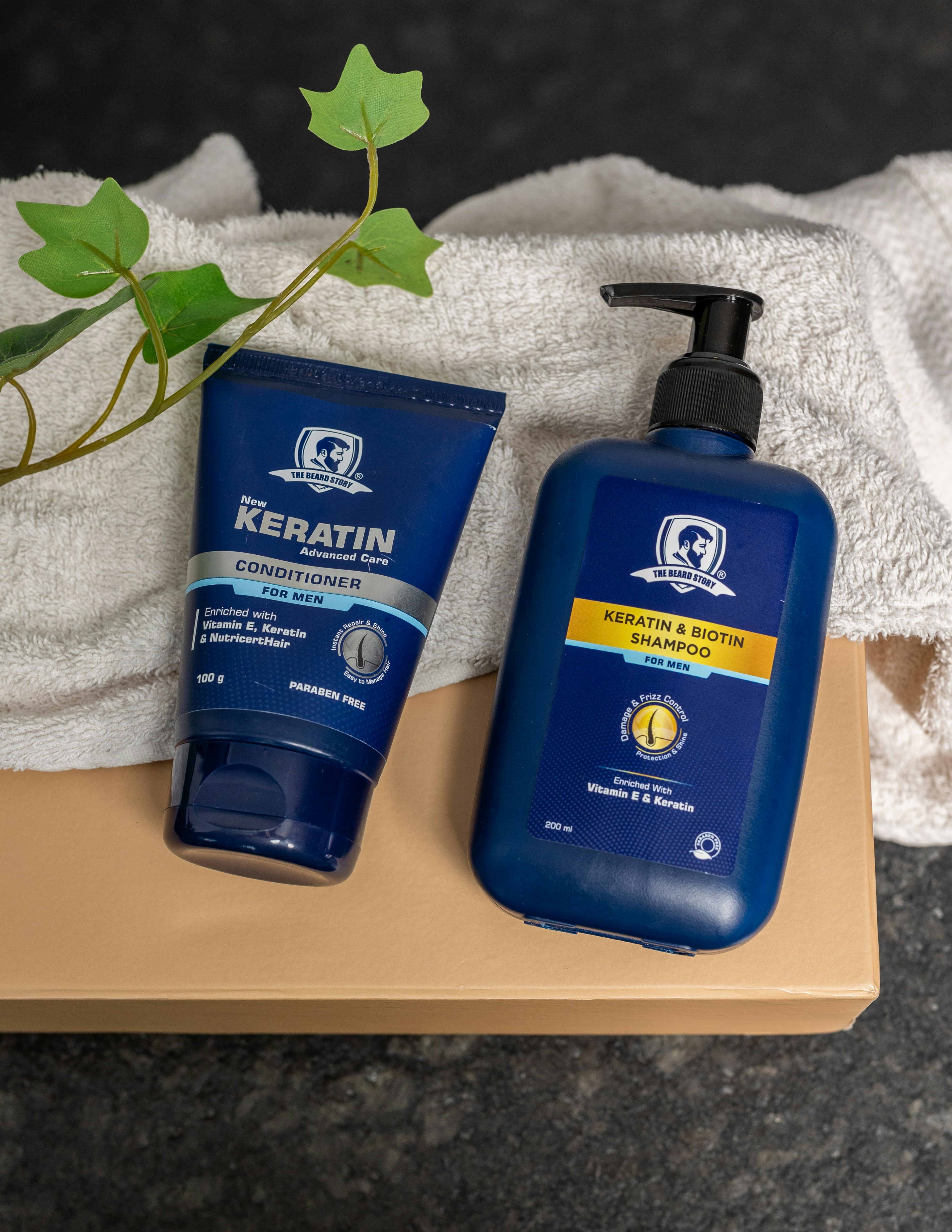
Keratin, a fibrous protein that constitutes a significant part of hair, nails, and skin, is another crucial component. Shampoos containing keratin can help repair damaged hair by replenishing lost proteins and ensuring that hair retains its strength and elasticity. Regular usage can result in smoother, shinier hair that is less prone to breakage.
Saw palmetto, a plant extract derived from the fruit of the Serenoa repens, exhibits properties that may inhibit the conversion of testosterone to dihydrotestosterone (DHT), a hormone linked to hair loss. This ingredient is often found in shampoos aimed at individuals experiencing androgenetic alopecia, providing a natural way to combat hair thinning.
Essential oils, such as rosemary and peppermint, also play a vital role in promoting hair growth. These oils can improve blood circulation to the scalp, encouraging healthier hair follicles. They often impart soothing properties, making the shampooing experience both refreshing and therapeutic.
In conclusion, the effectiveness of anti-hair fall shampoos largely hinges on the incorporation of specific components that support hair health. Shampoos containing biotin, keratin, saw palmetto, and essential oils can collectively aid in combating hair fall while promoting stronger, healthier hair growth.
Top Recommended Shampoos for Hair Fall Treatment
When it comes to addressing hair fall, selecting the right shampoo can significantly influence the effectiveness of your hair care regimen. Below is a curated list of top shampoos that have gained recognition for their ability to combat hair fall effectively.
1. Nizoral Anti-Dandruff Shampoo
Nizoral is primarily known for treating dandruff; however, its active ingredient, ketoconazole, also supports reducing hair fall. This shampoo works by targeting inflammation on the scalp, which helps to create a healthier environment for hair growth. Regular use can lead to noticeable results in strengthening hair follicles.
2. Bumble and Bumble Full Potential Shampoo
This shampoo is designed to promote a fuller appearance while addressing hair fall issues. Enriched with a blend of ingredients that support scalp health, it provides a gentle cleanse while fortifying the hair shaft. Users have reported improved hair density and a reduction in shedding over time.
3. Kerastase Bain Prevention Shampoo
Kerastase offers a premium shampoo that specifically targets hair fall related to weakened hair fibers. Its unique formulation includes a blend of vitamins that nourish the scalp and promote hair resilience. Although it is on the pricier side, many users find it worth the investment for its luxurious feel and visible results.
4. Biolage Advanced Fiber Full Shampoo
Biolage’s selection offers an effective solution for fine hair that tends to fall easily. Formulated to amplify the hair’s volume, this shampoo not only reduces hair fall but also provides moisture and shine, making hair appear healthier. Users appreciate the lightweight texture that does not weigh hair down.
5. SheaMoisture Grow & Restore Shampoo
This natural shampoo harnesses the power of Jamaican black castor oil, well-known for its properties that stimulate hair growth. It aids in strengthening hair and preventing breakage, making it a popular choice for those experiencing hair thinning. Moreover, the mix of natural ingredients ensures a nourishing cleanse without harsh chemicals.
Each of these shampoos has unique benefits that cater to various hair types and conditions. It is advisable to assess your specific hair care needs and consult with a professional if necessary to select the most suitable product for your hair fall concerns.
Tips for Maximizing Hair Fall Treatment Effectiveness
To combat hair fall effectively, it is crucial to not only rely on the right shampoo but also integrate various complementary hair care practices within your routine. First and foremost, selecting a shampoo specifically designed for hair fall is fundamental, as these products contain ingredients aimed at strengthening hair follicles and promoting healthier growth. However, the impact of these shampoos can be significantly enhanced through additional measures.
Incorporating a proper conditioning routine can help fortify your hair against damage. Use a conditioner that complements your shampoo, focusing on nourishing ingredients such as argan oil or keratin. Regular conditioning can improve moisture retention, making hair more resilient and less prone to breakage.
Furthermore, adopting a balanced diet rich in vitamins and minerals plays a vital role in hair health. Nutrients such as biotin, zinc, and iron can stimulate hair growth and strengthen existing hair strands. Consuming foods like fish, nuts, leafy greens, and fruits can provide the necessary nutritional support to complement your hair care products.
Another important aspect is the method of hair washing itself. It is advisable to avoid washing hair daily, as this can strip natural oils and weaken hair. Instead, washing every other day or a few times a week can allow the scalp’s natural oils to nourish the hair. Additionally, be gentle while massaging the shampoo into the scalp to promote circulation without causing extra stress on the hair.
Should you find that hair fall persists despite these interventions, it may be prudent to consult with a healthcare professional or a dermatologist. They can evaluate potential underlying conditions and recommend appropriate treatments or lifestyle changes tailored to your specific needs.