
Understanding Camera Types
Photography has evolved significantly over the years, leading to the development of various types of cameras designed to cater to different needs and preferences. Each camera type has its unique features and advantages that can enhance the photography experience.
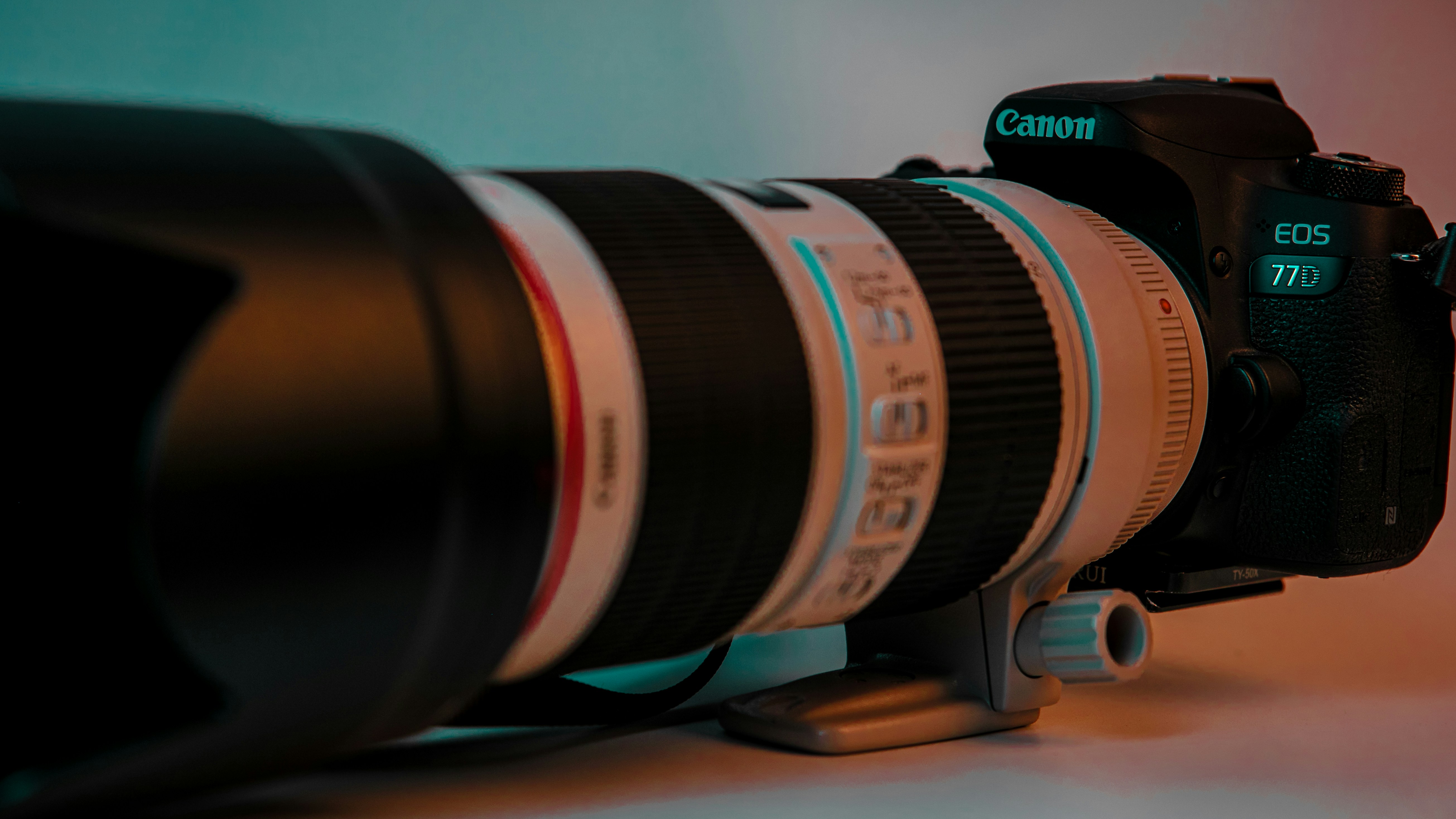
One of the most popular styles is the Digital Single-Lens Reflex (DSLR) camera. DSLRs are known for their optical viewfinders and interchangeable lenses, providing photographers with versatility and high image quality. They are ideal for both beginners and professionals due to their robust performance and extensive manual controls. Additionally, DSLRs typically offer superior battery life, making them suitable for long shooting sessions.
Another prominent option is the mirrorless camera. These cameras are gaining popularity due to their compact size, lightweight design, and powerful image processing capabilities. Unlike DSLRs, mirrorless cameras utilize electronic viewfinders and lack a mirror mechanism, allowing for a more streamlined and portable experience. They also have a rapid autofocus system and can shoot in continuous mode, making them exceptional for capturing fast-moving subjects.
Compact cameras, often referred to as point-and-shoots, are designed for casual photography and offer ease of use. They come with built-in lenses, automatic settings, and are generally lightweight, making them perfect for travel and everyday occasions. While they may lack some advanced features found in DSLRs or mirrorless options, many modern compact cameras now offer high-quality imaging and impressive zoom capabilities.
In summary, understanding the various types of cameras available is a fundamental aspect of choosing the right photography equipment. Whether one prefers the professional capabilities of DSLRs, the lightweight versatility of mirrorless cameras, or the convenience of compact cameras, each type serves distinct purposes tailored to different photography needs. Assessing personal requirements and preferences is crucial in making an informed decision.
Key Features to Look For
When selecting a camera for photography, understanding key features is paramount as these can significantly affect the shooting experience and end results. One of the most critical factors to consider is the sensor size. Larger sensors typically offer better image quality, especially in low-light conditions, as they can capture more light. Photographers often choose between full-frame, APS-C, or micro four-thirds sensors based on their needs, with full-frame sensors being favored for their superior performance.
Another important aspect is the autofocus system. A sophisticated autofocus system enhances a photographer’s ability to capture sharp images, particularly in fast-paced environments such as wildlife or sports photography. Systems with a higher number of autofocus points and advanced tracking capabilities can ensure that subjects are in focus even during movement.
Frames per second (FPS) is also a key specification to consider, particularly for action photography. Cameras that can shoot at higher FPS rates allow photographers to capture quick sequences, thereby increasing their chances of obtaining the perfect shot when moments arise all too quickly.
Additionally, lens compatibility plays a vital role in a photographer’s toolkit. The versatility of a camera is often determined by the availability of lenses. Photographers should evaluate if the camera system supports a wide range of lenses, from prime to zoom, to adapt to different shooting scenarios and styles.
Lastly, it is recommended to consider factors such as the camera’s overall ergonomics, battery life, and the presence of features like weather sealing, which can greatly enhance usability in various shooting conditions. By understanding these fundamental features, photographers can make informed decisions that align with their individual style and requirements.
Cameras for Different Photography Styles
Choosing the right camera can significantly impact the quality of your photography, especially when considering various styles such as landscape, portrait, sports, and wildlife. Each of these photography styles has different requirements that can be met with specific camera features.
For landscape photography, where capturing the vastness and detail of nature is essential, a camera with high resolution and dynamic range is crucial. Cameras such as the Canon EOS R5 and the Nikon Z7 II are excellent choices. These models offer high megapixel counts that enable stunning detail and clarity, which is particularly important when shooting expansive vistas. Additionally, these cameras provide robust autofocus systems and excellent performance in low light, making them versatile tools for landscape photographers.
In the realm of portrait photography, the focus shifts to capturing human expressions and emotions. Ideally, a camera should feature superior low-light capabilities and a wide choice of lenses for different focal lengths. The Sony A7 III and Canon EOS R6 fit this bill well, boasting larger sensors that help produce images with beautiful bokeh, thus adding a professional touch to portraits. Furthermore, the eye autofocus feature available in many of these cameras aids in keeping the subject’s eyes sharp, which is essential for successful portrait photography.
Sports photography demands speed and the ability to capture fast-moving subjects clearly. In this case, high frame rates and quick autofocus systems become paramount. Cameras like the Nikon D6 and Canon EOS-1D X Mark III are specifically designed for this purpose. They offer burst shooting speeds that allow photographers to capture rapid action sequences seamlessly, ensuring that no moment is missed during high-energy sports events.
Finally, wildlife photography requires a camera that performs well in diverse conditions, often with extended reach for distant subjects. The Fujifilm X-T4 and the Canon EOS 90D are strong contenders, thanks to their versatility and compatibility with telephoto lenses. These cameras excel in capturing wildlife in various settings and can handle variable lighting conditions effectively.
In conclusion, selecting a camera tailored to a specific photography style enhances creative expression and technical execution, ensuring that photographers can achieve their desired outcomes in diverse environments.
Maintaining Your Camera Gear
Proper maintenance of your camera gear is essential to ensure longevity and optimal performance. Cameras, being intricate devices, require regular care to remain in excellent working condition. One of the first aspects to consider is cleaning your equipment. Dust and debris can accumulate on lenses and sensors, potentially affecting image quality. To clean your camera, it is advisable to use a soft microfiber cloth or lens cleaning tissue to gently wipe the lens surfaces. Additionally, employing a blower can effectively remove dust particles from hard-to-reach areas, ensuring clarity in your images.
When it comes to the camera body, using a damp cloth can help remove smudges and fingerprints. It is important to avoid any harsh chemicals or abrasive materials that may scratch the surface. Moreover, keeping the camera sensor clean is crucial, as any dirt on the sensor can result in unwanted spots in photographs. For this task, using a dedicated sensor cleaning kit is recommended, and in some cases, professional cleaning may be necessary.
Storing your camera gear properly plays a significant role in preserving its condition. Cameras should be kept in a cool, dry place, away from direct sunlight or extreme temperatures. Investing in a quality camera bag can protect your gear from moisture and physical shock. Additionally, using silica gel packets can help absorb excess humidity inside the camera bag, preventing potential damage from moisture.
To protect your camera from physical damage, it is best not to leave it unprotected while traveling or during outdoor shoots. Always use lens caps when the camera is not in use and consider using a UV filter on your lens for an extra layer of protection. Maintaining your camera gear through careful cleaning, correct storage, and protection measures will ensure that your photography equipment remains functional and reliable for years to come.